For context: I’m Ilya co-founder of Growth.band - we help in-house lead gen level-up results with:
- 99% inbox rate = we fully manage your cold email infra, so you don’t worry about SPAM;
- 24/7 outreach expert = campaign, copy and result monitoring with proactive fixes;
- 3x better results = we build a strategy + implement RevOps & automations for you.
Talk to the team that runs this every day
Book a 30-minute call. We look at your outbound and tell you what we would change first.
👀 Watch the video first 👇
now check the guide + templates below 👇
95% of Outbound & GTM teams use Clay the wrong way.
They think Clay is just a fancy database.
- They use it for basic search.
- They use it for AI-personalization.
- They pull lists and start blasting.
Then they wonder why their reply rates suck.
Clay isn’t just a data tool- it’s an execution engine.
But most teams fail to use it for what really moves the needle:
- ✅ Multi-layered enrichment (not just scraping emails).
- ✅ Tiered prioritization (not every lead is equal).
- ✅ Signal-based outreach (not generic messaging).
Let’s fix that. 👇
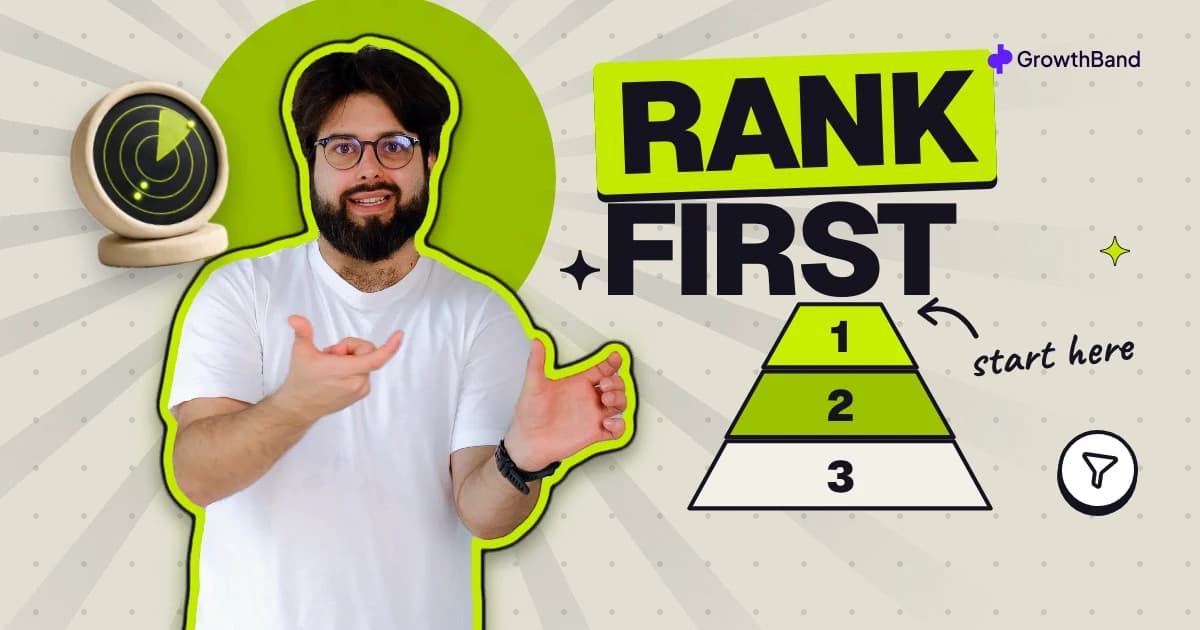
The 3-Tier Prospecting System (and How to Adjust Your Outreach)
Top outbound teams don’t just prioritize leads—they adapt their messaging and strategy for each tier.
Here’s how:
🚀 Tier 1 (High-Priority) – Maximum Effort
✅ Matches 3+ high-intent signals (e.g., just hired a CTO, raised Series A, hiring in Eastern Europe).
✅ Strong business alignment (right industry, right team size).
✅ Likely to move fast if the offer fits.
📌 Outreach Strategy:
- → Multi-channel (Email + LinkedIn + Video).
- → Hyper-personalized messaging based on their MAIN SIGNAL.
- → Every touchpoint is tailored to their immediate priority.
💡 Example:
- If they just raised a Series A, they need to scale fast → focus all messaging on speed + efficiency.
- If they just hired a new CTO, they’re under pressure to deliver → emphasize quick wins & de-risking decisions.
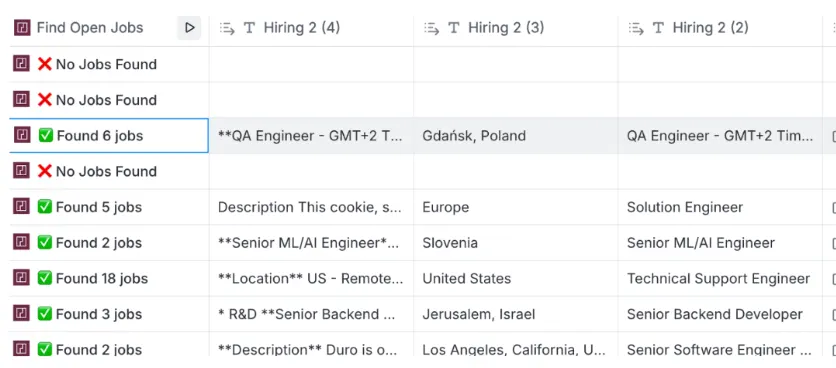
📈 Tier 2 (Medium-Priority) – Scalable Outreach
✅ Matches 1-2 relevance criteria (e.g., recently posted dev jobs but no other strong signals).
✅ Could be a fit, but needs further validation.
📌 Outreach Strategy:
- → Focus messaging on their strongest signal (not just generic personalization).
- → Semi-personalized email + LinkedIn connection.
- → Engagement-based filtering: If they interact, move them to Tier 1.
💡 Example:
- If they hired a new Head of Sales, highlight how they can hit targets faster.
- If they just started hiring in Eastern Europe, tailor messaging around scaling distributed teams.
📉 Tier 3 (Low-Priority) – Nurture & Automate
✅ Only meets basic ICP criteria (e.g., industry + revenue size).
✅ No strong indicators of urgency.
📌 Outreach Strategy:
- → Cold email only, no LinkedIn or manual work.
- → Use industry-based problem messaging, not specific personalization.
- → Automated follow-up sequence.
💡 Example:
- If targeting B2B SaaS, talk about common dev scaling challenges.
- If reaching out to VC-backed startups, focus on avoiding costly tech debt early.
- If the company is e-commerce, highlight checkout speed & conversion rate optimization.
Instead of treating all contacts the same, use tiering + strategic messaging to reach the right people with the right offer.
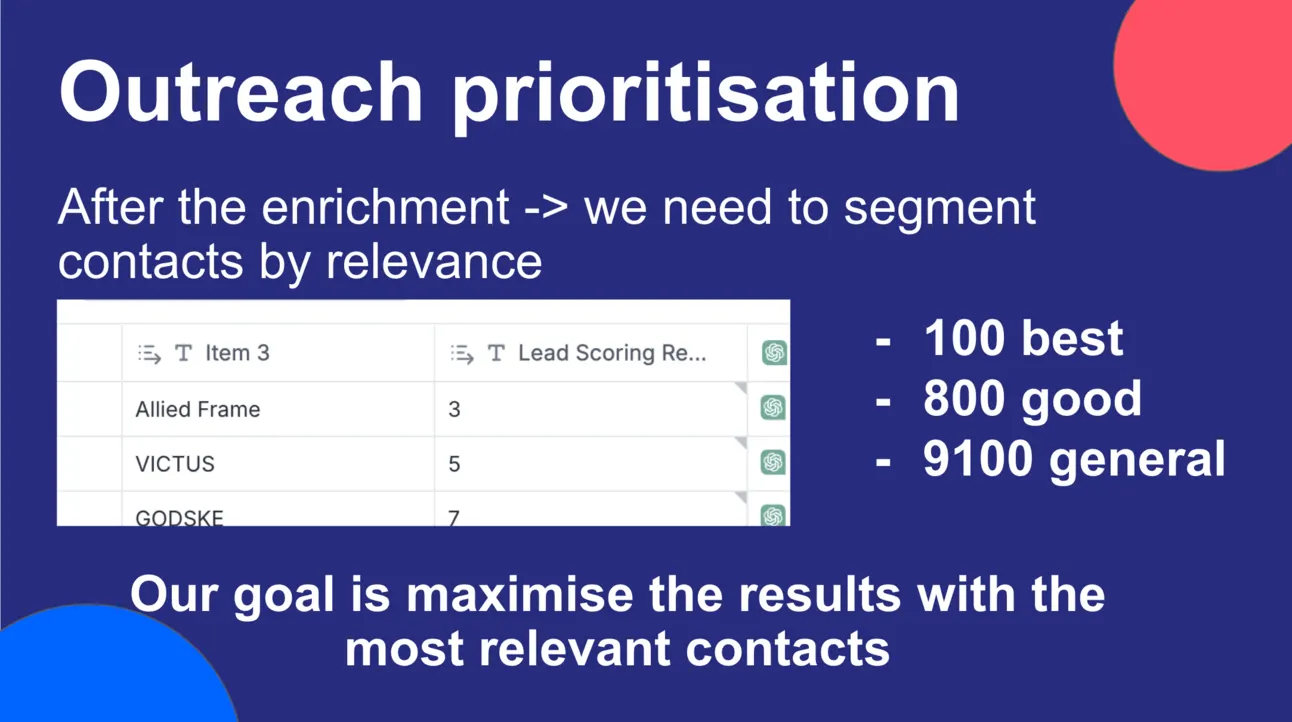
Example: Finding the Real Trigger
We once analyzed a lead working on a travel tech platform.
The initial relevance guess?
- → “They raised funding”
- → “They’re hiring”
But neither mattered.
After a 10 - minute deep dive, here’s what we found:
- → Their product relied on real - time data sync
- → They lacked a large internal engineering team
- → Their website hinted at tech pain (“we simplify complex integrations”)
That was the signal.
We pivoted messaging around technical complexity and external partnerships - and replies shot up.
Lesson: Real relevance isn’t always obvious. You have to dig for it.
Build Your Own Relevance Engine (in 30 Minutes)
STEP 1: Do a 10 - Minute Deep Dive
Pick any prospect from your CRM.
Set a timer for 10 minutes and research them from scratch:
- → Check their website: Look for product complexity, pricing, pain points
- → Look at their LinkedIn: Job changes, posts, hiring
- → Search funding announcements
- → Check job boards (Indeed, Glassdoor) for team size and skill gaps
- List every potential signal that could tie into your value proposition.

STEP 2: Score Signals by Impact
For each signal, ask:
- Does it consistently correlate with replies?
- Is it still underused by the market?
- Does it align with our ideal customer journey?
Then prioritize the top 3–5 and drop the rest.
STEP 3: Tier Your Prospect List
Use those top signals to split your list:
→ Tier 1: Gets video outreach, personalized emails, and multichannel flow
→ Tier 2: Gets semi - custom emails with LinkedIn follow - ups
→ Tier 3: Gets templated cold email campaigns at scale
You can use tools like Clay to enrich and automate this structure.
Why Tiering Drives ROI
- You focus manual effort where it has the highest payoff
- You save time and SDR bandwidth
- You stop guessing - and start optimizing
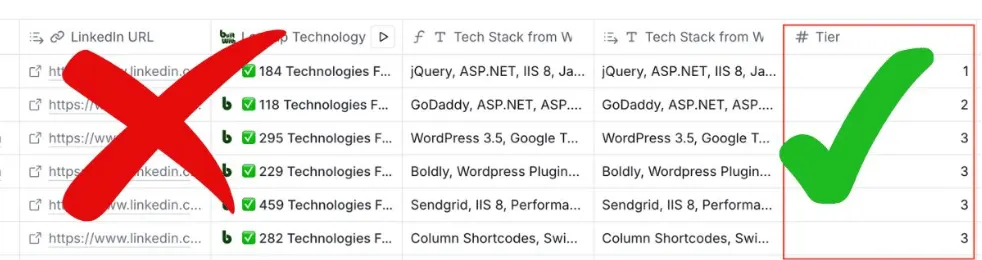
Instead of 1,000 generic emails, send:
- 10 Tier 1s with max effort
- 50 Tier 2s with strategic effort
- 500 Tier 3s with scalable effort
Same time. Better results.
Template
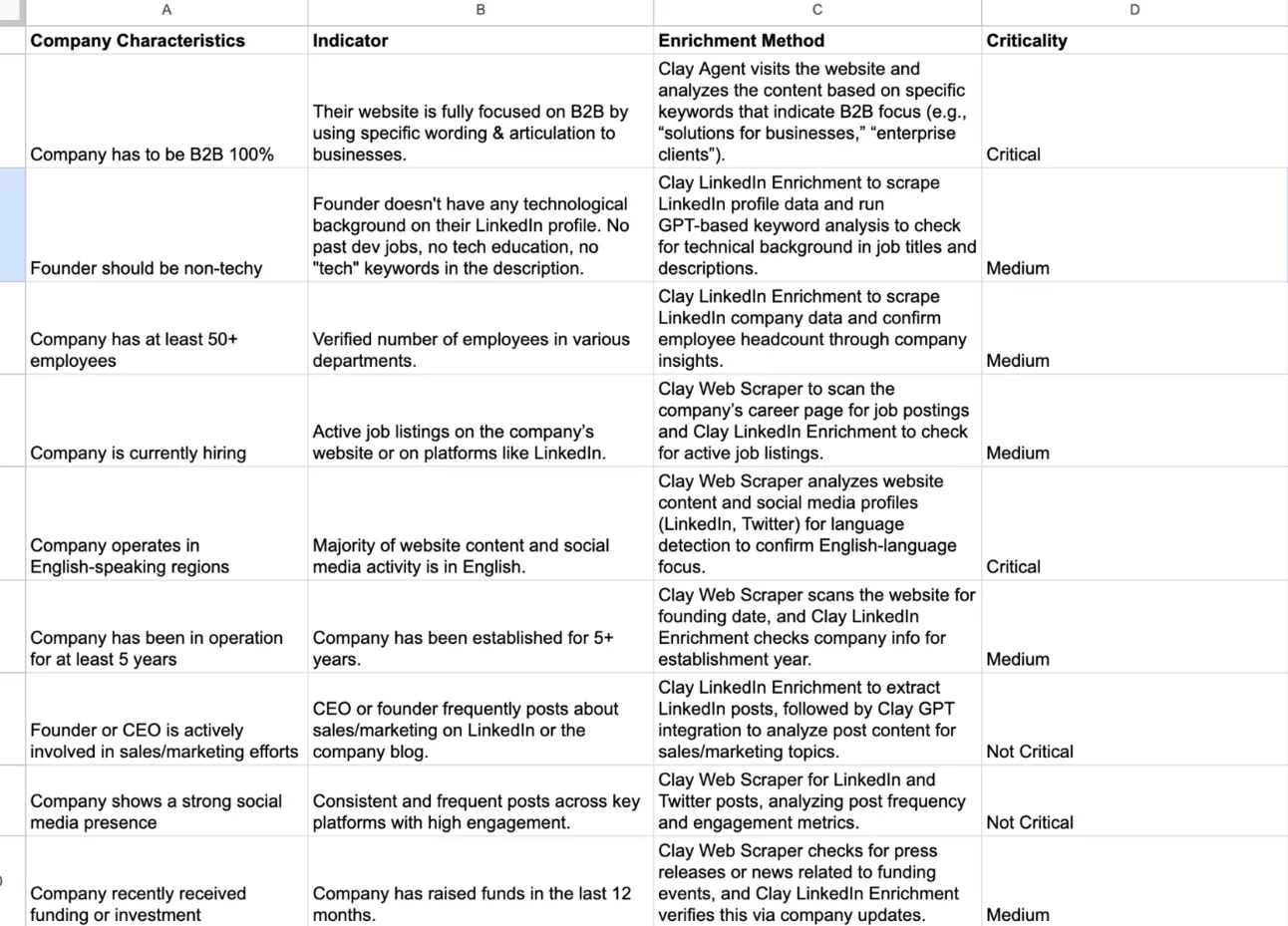
We built a full Google Sheet Relevance Criteria Tracker that shows:
→ How to brainstorm signals
→ How to run tiered scoring
→ How to build your own Relevance Engine in Clay
Ilya Azovtsev
Talk to the team that runs this every day
Book a 30-minute call. We look at your outbound and tell you what we would change first.

Ilya AzovtsevCo-founder
Co-founder of GrowthBand. Helped scale lemlist from $20k MRR to $10M ARR and built automation at Expandi; now runs the cold email infrastructure behind 32,000+ mailboxes.